
Personal Finance 101- The Emergency Fund
Whether you are in a Christian debt relief program with FaithWorks Financial or simply trying to improve your financial situation, creating and keeping an emergency fund is key to safeguarding your finances and staying out of debt.
So, what’s an emergency fund?
And how much should be in it?
Let’s go!
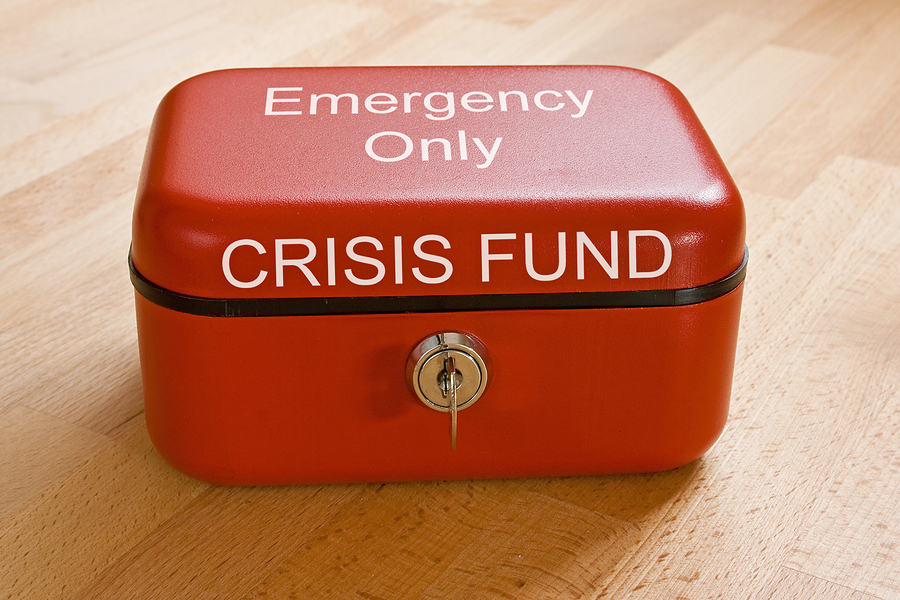
An emergency fund is your financial safeguard when you need it most.
First, let’s agree on the definition of an emergency fund.
This is a fund you can keep anywhere— a savings account, a money jar, whatever works for you— that must never be touched unless, as its name suggests, there is truly an emergency.
When you suddenly find yourself unemployed or faced with medical expenses that your insurance will not cover, an unexpected home or vehicle repair, or braces for your child, having access to funds that are set aside for just that situation will be a tremendous relief.
An emergency fund is not something to use from time to time when you need a little extra money to buy something you really want or think you need, nor is it a vacation fund. You must remain dedicated and maintain that emergency fund or else you may find yourself in facing severe financial hardship when one of the above situations pop up.
Now that you know the purpose of an emergency fund, it’s time to get started!
Where Should It Be?
We suggest that you use a completely separate bank account that you never use or even think about aside from making your regular deposits into it. Many have found it helpful to have this account with a different bank than the one you use to pay bills or withdraw money. This helps to separate it and minimize the temptation to use your emergency fund when it is not necessary.
Here is another article that dives deeper into the topic of where you should stash your emergency fund.
How Much Should I Save?
 In the beginning, you will want to contribute to this fund on a regular basis. We suggest reviewing your budget and, until your emergency fund is fully funded, dedicating all available savings to this fund.
This may seem drastic, but this will be your go-to when trouble happens. It is the first line of defense from a financial emergency so you should not underestimate the importance of building this fund as quickly as possible.
There are many different opinions on how much you should have in your emergency fund. Some resources suggest basing it on your income, others may suggest 3 months of living expenses. These ideas are great and there is certainly no wrong answer so long as you are setting something aside. However, we feel that a bigger picture should be considered, as we are living in a time unlike any other in history.
We suggest that the amount you should have in your emergency fund is not only dependent on your personal circumstances, but also the situation of our nations economy. According to the Bureau of Labor Statistics, the median length of unemployment thus far in 2014 has averaged 16 weeks, which is 4 months. Based on this, we suggest you build your emergency fund around this figure and strive to have 4-5 months of living expenses in our emergency fund.
We suggest that your basic living expenses be considered in developing your emergency fund. Consider your mortgage/rent, insurance, monthly debt obligations, food, etc. This way you will know that if you had a sudden loss of income you would be able to live- albeit frugally- for several months without too much difficulty.
What Gets Paid First?
Building your emergency fund should be your number one financial priority.
We are all about eliminating credit card debt, but if you have unexpected expenses come up and don’t have an emergency fund, you may be turning to those credit cards and adding hundreds or thousands of dollars onto that high interest account. Some may disagree, but both US News and Dave Ramsey are with us on this one.
Having an emergency fund can be the difference between complete financial ruin and just a slight hiccup in your lifestyle. With a tough economy and the continued difficulty people are having in securing employment, your emergency fund will provide an invaluable safety net to anyone who makes the effort to use the strategy.
If you find yourself in a financial emergency with no emergency fund available, reach out to one of our Christian debt relief specialists in order to create a plan that will allow you to get and stay on track.

